
The window is short: roughly one to two days
Common guidance, including from the EPA, says mold can start growing on damp materials within about 24 to 48 hours. That is the start of growth, not a visible patch. Many people see fuzzy or dark spots after several days or longer, depending on the material and conditions.
The practical lesson is simple. Wet materials should be dried within a day or two if possible. After that, the odds of growth rise. The longer a wall, carpet or ceiling stays damp, the harder the problem is to fix.
What mold needs to grow
| Ingredient | Where it comes from | How to control it |
|---|---|---|
| Moisture | Leaks, floods, condensation, humidity | Fix the source and dry materials |
| Food | Paper on drywall, wood, dust, carpet backing | Remove wet porous materials if drying fails |
| Warmth | Normal indoor temperatures | Hard to control, so focus on moisture |
| Time | A day or two or more | Dry quickly |
Spores are present in indoor and outdoor air all the time. They only grow when moisture arrives. That is why controlling water, not killing spores, is the key to prevention.
What speeds growth, and what slows it
- Warm, humid weather speeds growth
- Closed cavities such as walls and ceilings hold moisture
- Porous materials like drywall paper and carpet pad give mold food
- Moving air and low humidity slow growth
- Fast extraction and drying cut the window short
- Keeping indoor humidity moderate helps in every season
Rahway basements and humid summers
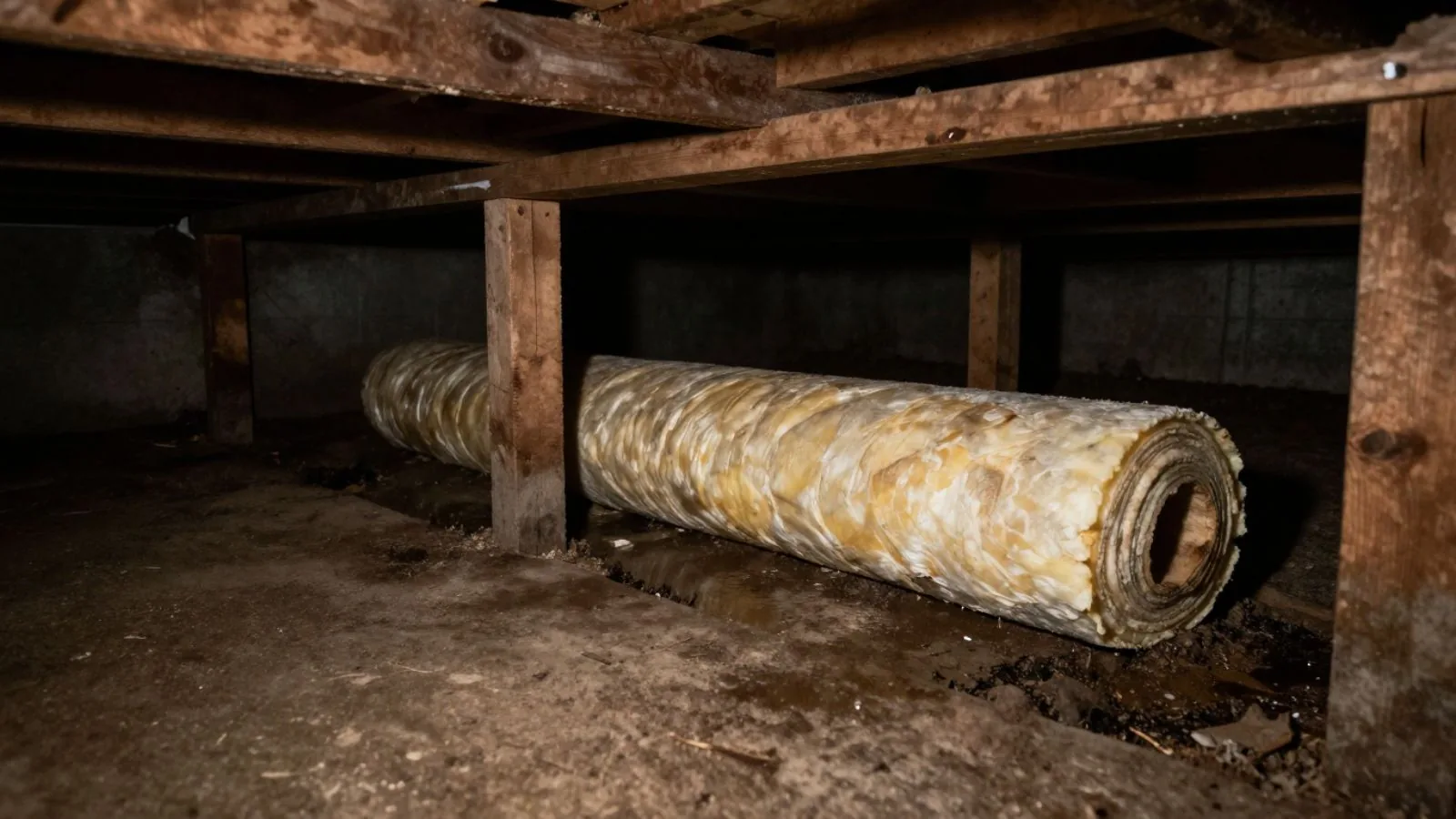
Rahway summers are humid, and many older homes have basements and crawl spaces that stay damp. Median build year is 1961 in ACS data, and basements of that age often have limited ventilation. If a leak happens in July, assume the window is shorter and begin dehumidification the same day. A basic hygrometer shows when humidity is climbing, which is when a damp room starts to smell.
How to tell if mold has started
Look for a musty or earthy odor, discoloration on walls or ceilings, fuzzy patches in corners and paint that bubbles or peels. A stain that returns after cleaning is another sign of ongoing moisture.
Do not rely on color alone. Dirt and old water stains can look similar. A moisture reading and an inspection give a better answer. If mold is likely hidden, an assessor or a restoration company can check with a meter, a camera and sometimes a small test opening.
What to do in the first 48 hours
Stop the water
Fix the source. No drying works if water keeps arriving.
Remove standing water
Extract water from floors and carpet right away.
Start dehumidifying and air movement
Run fans and a dehumidifier in a closed room.
Remove what cannot dry
Soaked padding, insulation and saturated drywall may need to come out.
Measure
Use a moisture meter or call a crew to confirm the materials are drying.
What if it has been longer than two days?
Do not panic. Many materials survive a few days if they dry well. Call for readings and an inspection. If mold is present, the plan changes to containment, removal and drying, which is covered on our mold remediation page.
Avoid scrubbing or spraying mold in a way that spreads dust. Keep the area closed and keep children and pets out until you have a plan. Questions about your health are for your doctor.
Preventing mold after a leak
Dry quickly, fix the source and check hidden spaces. Our structural drying process describes how we dry framing and walls. Keep humidity in a moderate range and use bathroom fans. Check under sinks and behind appliances regularly.
Homeowners in Sewaren and Garwood see more dampness near the water and low areas. A dehumidifier and a hygrometer are small purchases that pay back quickly.
How materials differ in mold risk
| Material | Mold risk when wet | Typical response |
|---|---|---|
| Drywall paper | High | Dry within a day or two, or remove |
| Carpet pad | High | Often replaced after a wet event |
| Solid wood framing | Moderate | Dry and monitor |
| Ceiling tile | High | Replace if wet |
| Tile, metal and glass | Low | Clean and dry |
Risk is not just about the material. Time wet, temperature and airflow all matter. A porous material that dries in a day is better off than a sturdy one left wet for a week.
Using a hygrometer and a moisture meter
A hygrometer reads indoor humidity. Many sources suggest keeping it in a moderate range, and a basement reading that creeps upward in summer is a signal to dehumidify. A pin or pinless moisture meter reads materials such as drywall and wood.
Take readings in a dry part of the house for a baseline, then in the affected area. If the affected area stays well above the baseline after several days, something is still wet. Write the numbers down so you can see trends.
What happens if mold does appear
Small spots on a hard surface can often be cleaned with detergent and water once the cause is fixed. Larger or hidden growth needs a plan. Many homeowners contact an assessor or a remediation company for a scope. We do not make health claims, and questions about symptoms belong with a doctor.
A checklist for the first two days
- Shut off the water source and photograph the wet area
- Extract standing water and lift wet rugs and furniture
- Run a dehumidifier in the closed room and add fans
- Open cabinets and pull baseboards so air reaches wet cavities
- Remove soaked padding, insulation and ceiling tile
- Take moisture readings daily and write them down
Doing these steps within a day or two cuts the odds of growth sharply. If the loss is large or contaminated, call a crew right away and let them take over.
If you leave town for a few days in summer, set the air conditioner to run and leave interior doors open. Stagnant humid air in closed rooms is where a surprise often grows. A small dehumidifier in a basement is a good habit all season.
Common myths
A common myth is that bleach solves mold. On porous materials it often does not. Another myth is that if you cannot see mold, there is none. Hidden growth behind walls is common after leaks. A third myth is that all dark stains are mold. Some are not. Checking and measuring beats guessing.
Where the 24 to 48 hour figure comes from
The EPA advises drying wet materials within 24 to 48 hours to prevent mold growth. Mold work itself is guided by the ANSI/IICRC S520 standard. Real timing varies with material, temperature and humidity, so treat the range as a guide.
Further reading: EPA mold resources.
Mold growth questions in Rahway
It can begin within about 24 to 48 hours on damp materials, and visible growth often takes several days. Fast drying lowers the risk.
Drying stops further growth, but existing growth must still be cleaned or removed. Porous materials with growth may need replacement.
Not always. Some growth is hidden, and a musty smell is a clue but not proof. Readings help.
Often yes. Basements are cool, damp and poorly ventilated, which makes drying slower.
Not always. If drying was quick and there are no signs, testing may not be needed. If hidden growth is suspected, an assessor can advise.