
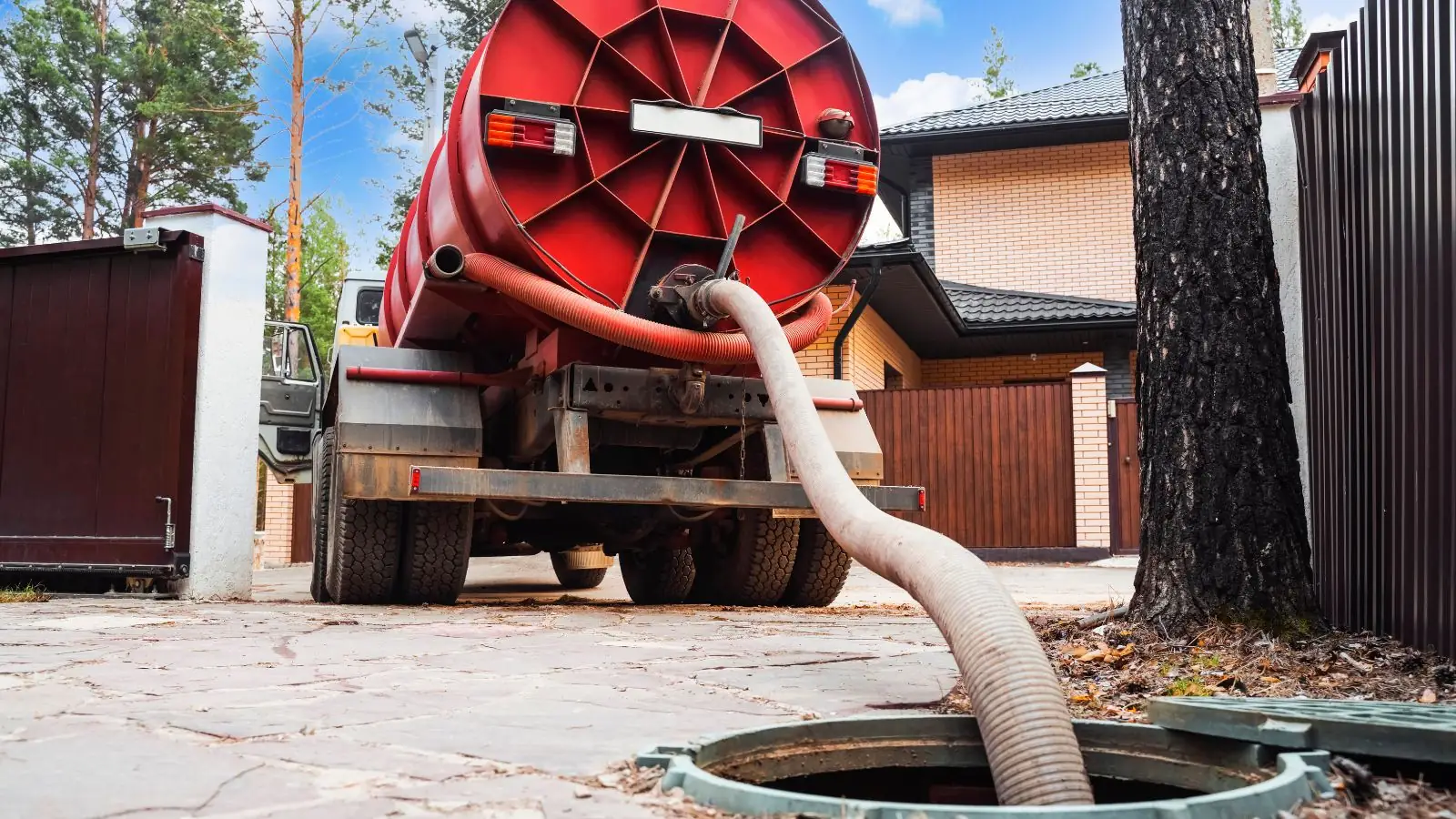
Signs of a sewage backup: gurgling drains, bad odor and water in the lowest fixture
The first signs are usually sound and smell. Drains gurgle when you run a washer, a toilet bubbles when a nearby fixture drains, and a sewer odor appears in the basement. The lowest drain in the house, such as a floor drain or basement shower, is where the water usually appears first.
If more than one fixture is slow or backing up, the blockage is probably in the main line instead of a single fixture. Stop using water in the house, including flushing and laundry, because every gallon you send down adds to the backup.
Why sewage backup is a health emergency
Sewage is treated as Category 3 water under the ANSI/IICRC S500 standard because it can carry bacteria and other contaminants. Contact with skin or splashes can be harmful, so only trained crews in protective gear should handle it.
Do not try to mop it with household tools. Keep children, pets and anyone with a weakened immune system out of the area. Open windows if it is safe, and leave the cleanup to us.
Contain and remove
Pumps and extractors remove contaminated water while crews work in protective gear.
Discard porous materials
Carpet, pad, insulation and low drywall that touched sewage are bagged and removed.
Clean and sanitize
Hard surfaces are cleaned and treated with products suited to the material.
Dry and verify
Air movers and dehumidifiers dry the area, and we confirm readings before rebuilding.
Who is responsible depends on where the blockage sits
The Rahway Valley Sewerage Authority treats flow from several Union County towns, but the pipe from your house to the street, the lateral, is generally the homeowner's responsibility. If a plumber clears your line and the problem returns, ask whether the blockage is in the street main and, if so, report it to the municipal sewer authority. That call decides who pays for the fix.
| Where the blockage is | Typical sign | Who clears it |
|---|---|---|
| Single fixture drain | One sink or tub is slow | Homeowner or plumber |
| House lateral | Several fixtures back up, lowest drain first | Plumber, at the owner's cost |
| Street main | Neighbors have the same problem | Municipal sewer authority |
Do not do this
Do not run the dishwasher, washer or shower. Do not touch standing sewage. Do not use a household vacuum on the water. Wash hands thoroughly after contact with contaminated surfaces. Discard food that was in a flooded kitchen.
How to reduce sewage risk before it happens
Avoid flushing wipes, grease and paper towels, which build up in laterals. Have a plumber camera the line if backups repeat, since roots and bellies in old pipes cause repeated blockages. Ask about a backwater valve, which closes when flow reverses.
If you own a house with a finished basement bathroom, know where the cleanout is. A plumber can show you the access point so a stoppage can be cleared quickly. Move stored items off the floor and onto shelves in any room with a floor drain.
After a backup, ask the plumber to clear and camera the line, and keep the report. If the blocked line was also feeding a basement floor drain, our flood damage restoration page describes how we treat contaminated water that reached walls and framing. Never mix cleaners, since some combinations release harmful fumes in a closed basement.
What affects sewage cleanup cost
- Volume and spread. Several inches across a basement is a larger job than a bathroom floor.
- Porous materials. Carpet, pad and drywall that must be removed add disposal and rebuilding.
- Access. Finished basements, stairs and tight rooms increase labor.
- Disinfection steps. Sanitizing and drying follow removal and add equipment days.
After the backup is cleared
Once the line is clear and the area is clean, we dry the structure as described in structural drying and dehumidification. For a basement that took sewage and groundwater together, see basement water damage cleanup.
Ask your plumber about a backwater valve, which stops sewage from flowing back into the house when the main surges. We also cover Garwood and the nearby towns.
If sewage is backing up
Yes. Backups do not wait for business hours, so the line at (732) 352-9660 is answered day and night. Stop using water, keep everyone out, call us, and we arrange a protective-gear crew.
Gurgling and slow drains in more than one fixture often point to a blockage in the main line. A plumber can clear it. If water appears in the lowest drain, treat it as sewage and call us.
We advise against it. Sewage is Category 3 and can carry bacteria. Trained crews wear protective gear and use disposal and sanitizing steps that household cleaning does not match.
Many policies exclude backup unless an endorsement was added. Check your policy or ask your agent. We document the loss with photographs and readings either way.