
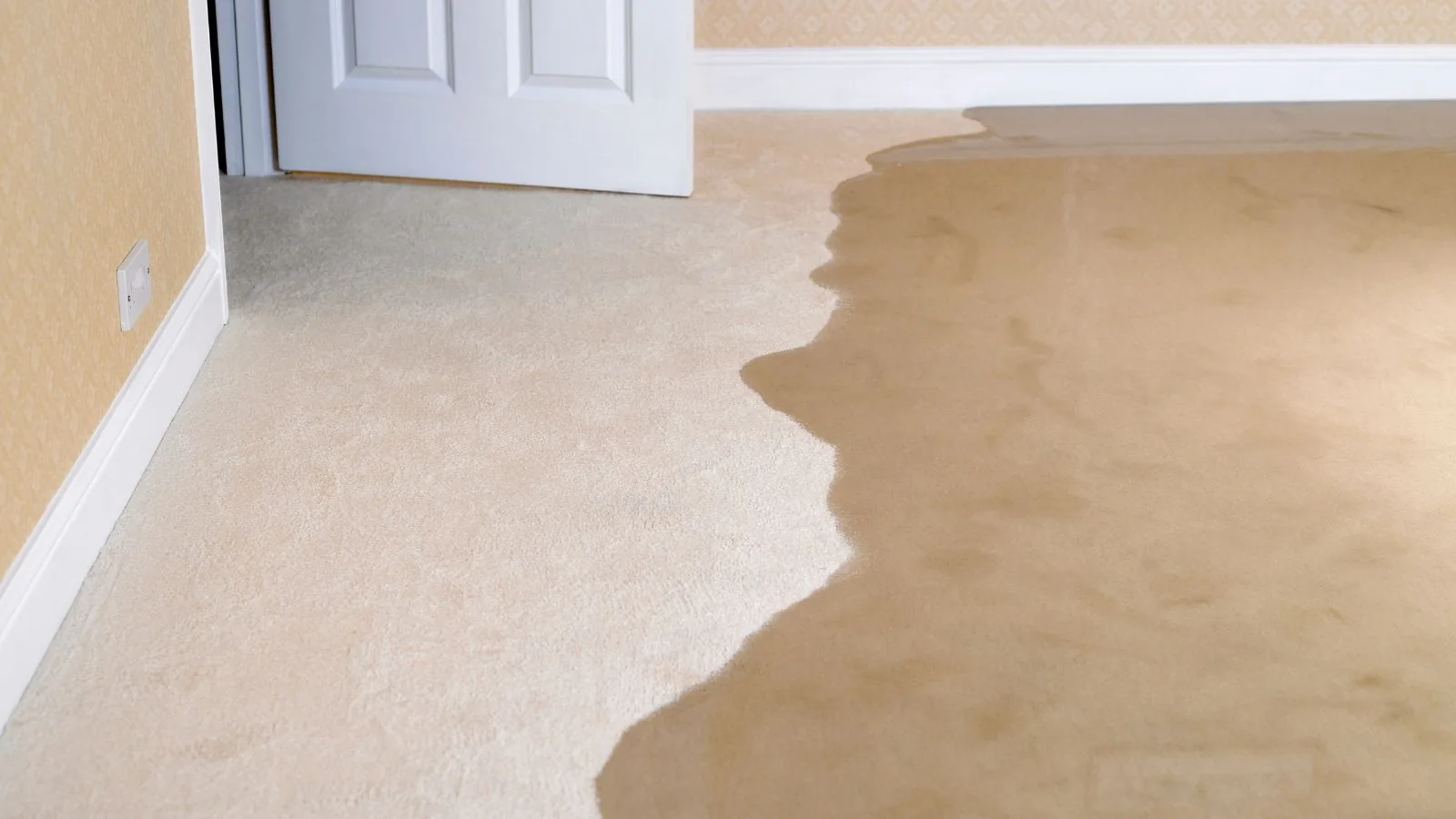
Why wet carpet is more than a surface problem
Carpet has three layers: the surface fibers, the backing and the pad underneath. The pad holds the most water and dries the slowest. The tack strip along the walls and the subfloor below can stay wet even when the surface feels fine.
If the water was clean and the carpet is caught early, drying in place may work. If the water was contaminated, or carpet sat wet for days, removal is the safer choice. We check the category and the age of the loss before deciding.
| Situation | Usual outcome | Reason |
|---|---|---|
| Clean water, caught within a day | Dry in place | Fibers and pad can be extracted and dried |
| Gray water | Case by case | Depends on contact time and carpet type |
| Sewage or flood water | Remove and discard | Porous and contaminated |
| Wet more than a few days | Likely replace | Odor and mold risk rise |
How we handle wet carpet
Extract water
Truck-mounted or portable extractors pull water from fibers and pad. See water extraction for the process.
Lift and separate
We lift the carpet at a corner, remove or replace the pad if needed and expose the subfloor.
Dry the subfloor
Air movers and dehumidifiers dry the subfloor and the carpet backing together.
Clean and deodorize
Carpet saved by drying is cleaned and treated to remove odor.
Renters and carpet responsibility
About 46.6% of Rahway housing is renter-occupied according to the ACS. In rentals, carpet is often owned by the landlord, so a wet carpet is a notification item. Tell your landlord the same day, photograph the damage and keep the notice in writing. Your renters policy may cover your belongings, while the landlord's policy usually covers the carpet itself.
Handling wet carpet
Wear gloves if the water might be contaminated. Do not run a household vacuum on wet carpet. Keep children and pets off the area. Lift furniture legs onto foil or blocks to prevent staining.
How we decide between drying and replacing
The decision depends on three facts: the category of the water, how long the carpet was wet and what lies underneath. A clean-water leak caught quickly is a good candidate for drying. Water that carried contaminants, or that sat for several days, changes the answer to replacement.
We explain the reason either way. Replacement of a pad is a small cost compared with the odor and mold risk of a damp pad left in place. Carpet itself can be re-installed after cleaning if it passes our checks.
Odor after a wet carpet
A sour smell after drying usually means moisture is still in the pad or subfloor. Deodorizing the surface will not fix it. We take readings, lift a corner and check the underside. If the odor lingers, removal is usually the cleanest path.
Avoid steam cleaning a wet carpet until the structure is dry. Added moisture can make the problem worse. Our crews clean after drying so the carpet is not re-wetted.
Carpet tiles, area rugs and stairs
Carpet tiles can be lifted individually, which helps drying, but the adhesive under them may hold water. Area rugs should be lifted and dried flat, outdoors or in a dry room, within a day. Stair carpet is hard to dry in place, since the tack strips and risers hold moisture, so removal is more common there.
Wool and natural fibers respond differently from synthetics. Wool can shrink or stain with tannins from the backing, while synthetic fibers dry more easily. Tell us the fiber if you know it. If not, the label on the underside of a spare piece usually names it.
What affects carpet restoration cost
- Water category. Clean water allows drying in place, while contaminated water means replacement.
- Pad type. Foam pad often needs replacement, while some can be dried.
- Area size. Room-by-room scope changes the labor and equipment.
- Subfloor. A wet subfloor adds drying time before new pad goes in.
What happens after drying
Once the subfloor reads dry, the carpet is re-stretched and put back or replaced. If the wet area spreads to a basement, read basement water damage cleanup. If the cause was a leak inside a wall, wall and drywall water damage repair describes the next step.
We serve Clark homes with the same carpet approach.
Wet carpet questions answered
Often yes when the water is clean and the carpet is dried quickly. We extract water, lift the carpet and dry the pad and subfloor. Contaminated water means replacement.
Mold can begin within a couple of days when materials stay damp. Quick extraction and drying lowers the chance. If a musty odor remains, tell us.
Often yes. Pad holds a lot of water and dries slowly. Foam pad is inexpensive to replace and an easy step compared with drying it fully.
It depends on the cause and the policy. Sudden leaks are treated differently from long-term seepage. We provide moisture logs and photographs.