
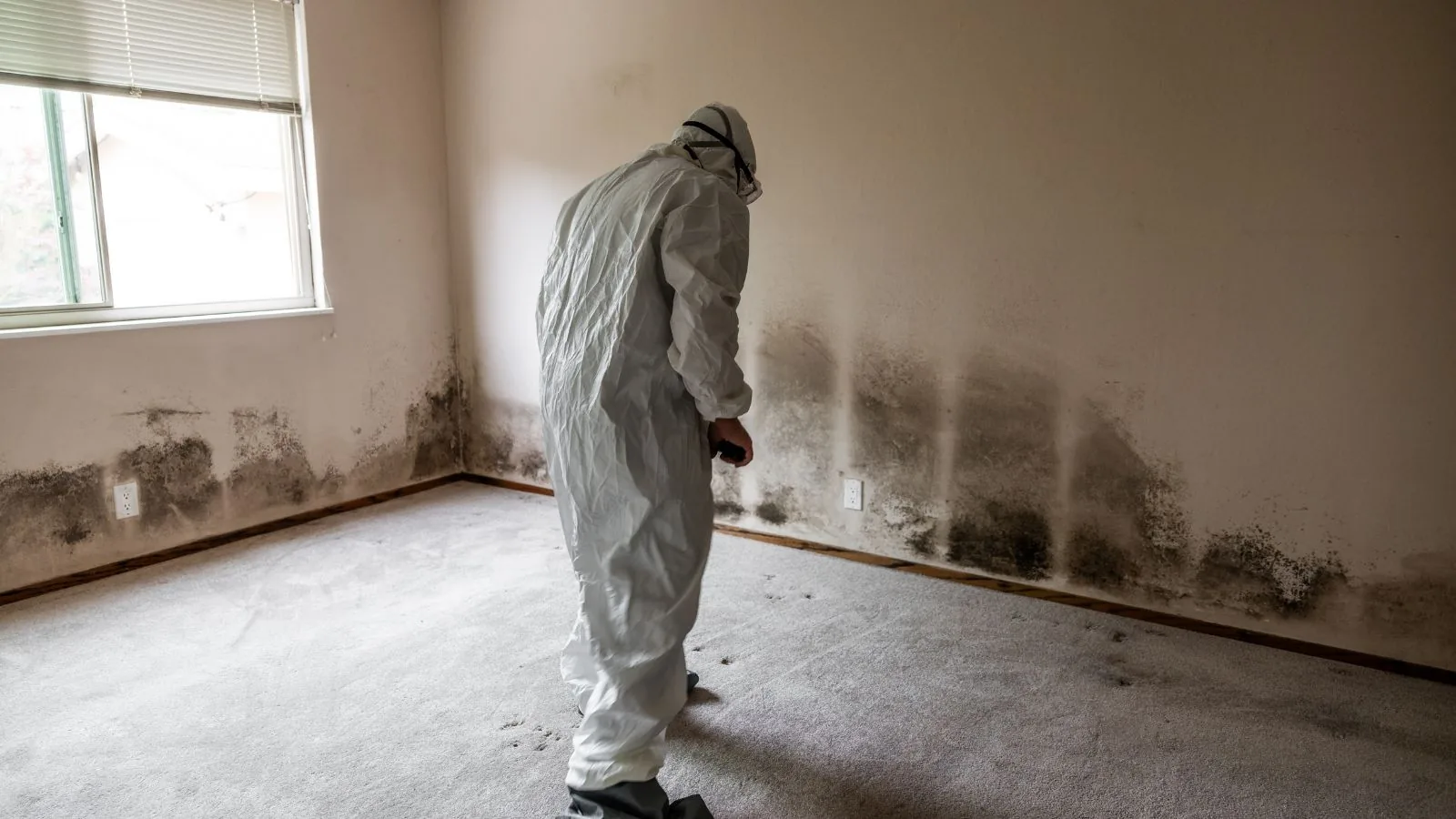
What clearance testing is
Clearance testing is a check after mold remediation to see whether the work met its goals. It usually includes a visual inspection, a review of moisture readings and sometimes air or surface sampling. The aim is to confirm that visible growth is gone, the area is dry and the source is fixed.
It does not prove that no spores exist. Mold spores are in all air. Clearance asks whether the area looks and measures like a normal, dry, clean space, based on the plan.
Why independent testing is common
When the company that did the work also tests the work, a conflict of interest can arise. Many buyers, lenders and homeowners prefer an independent assessor who wrote the plan or reviewed it and who has no stake in the result.
An assessor typically inspects before work, writes the scope and checks after. If the check fails, the remediation company fixes the issue and the assessor rechecks. Ask about the cost of retesting and who pays for it.
| Step | Who does it | Purpose |
|---|---|---|
| Inspection and scope | Independent assessor | Define the problem and the plan |
| Remediation | Remediation company | Contain, remove and dry |
| Post-work check | Assessor | Verify the work and the moisture readings |
| Report | Assessor | Document the result for records and buyers |
Selling or buying an older Rahway house
ACS data puts the median build year of Rahway housing at 1961, so many sale listings are older houses with basements and attics that have seen water. A buyer's inspection may flag staining or a musty smell. Having a dry basement, a moisture log and a clearance report ready can keep a deal moving, and it gives the buyer a clear document to show a lender or an insurer.
Disclosure and what to ask professionals
Disclosure rules and forms in New Jersey are a matter for your real estate agent and attorney. We cannot give legal advice. In general, sellers are asked about known issues such as water intrusion, so keep records of leaks, repairs and mold work.
Ask your agent what documents buyers expect. Ask your attorney what must be disclosed and how to word it. A clear paper trail of the problem, the fix and the verification is usually more helpful than silence.
What a good clearance report includes
- The date, address and area covered
- Photos of the area before and after the work
- Moisture readings and the drying goals reached
- The method of testing, such as visual check or sampling
- The result and any follow-up steps
- Contact details for the assessor and any license or certification the assessor holds
Testing is not always needed
Small, visible problems on hard surfaces that were fixed and dried may not need lab testing. A written note, photos and moisture readings can be enough. Larger jobs, hidden growth, disputes and sales are where testing adds value.
Ask the assessor what they would test and why. Be wary of testing offered as a sales tool with no plan. A result that cannot be compared to anything is of little use. Our mold remediation page explains how we scope and document work.
Drying before you test
A space that is still damp may fail a check, or may pass and then grow mold later. Confirm that materials have reached dry goals before any verification. Our structural drying process includes daily readings that show when that point is reached.
Homeowners in Woodbridge and Sewaren often deal with damp lower levels before a sale. A dehumidifier, a fixed sump pump and a dry basement go a long way toward a smooth inspection.
A realistic timeline before listing
Start with the moisture source and drying, which can take days to weeks. Then schedule remediation, which may take a few days. After that, allow time for verification and a report. If a recheck is needed, add more time.
If you plan to list in spring, do not wait until March. Early work gives you room for a second round if something fails. A report dated before listing also lets your agent show it to buyers early.
What buyers and lenders tend to ask
Buyers want to know the cause, the fix and the proof. A short summary with the cause of moisture, the work done and the verification is clear. Lenders and insurers sometimes ask for documents too, especially for older houses or flood-zone properties.
Keep invoices, scopes and reports in one folder, and share copies instead of originals. Be factual. Statements that go beyond the documents can create problems later.
Why a check can fail
- Materials were not fully dry when the check took place
- The moisture source was fixed only in part
- Containment was incomplete, and dust spread beyond the work area
- A hidden area was missed in the original scope
- Cleaning was done but visible staining was left on porous materials
If a check fails, ask for a written explanation and a plan to fix it. A good company welcomes a second look. A poor one argues. That response tells you something about the company.
Ways to keep costs reasonable
Dry quickly after any leak so remediation is small. Fix moisture sources before work starts. Keep the scope clear so changes are rare. Ask the assessor to review the plan before the company starts, which prevents surprises. Compare more than one written scope before choosing.
A simple document folder for the sale
Put these in one folder: the original moisture finding, the remediation scope, invoices, drying logs, the verification report and photos. Add proof of the plumbing or roof repair that fixed the source. Keep a digital copy that can be shared by link.
A tidy folder lets your agent answer buyer questions quickly. It also shows the work was done with care. Buyers often relax when they see a clear sequence from cause to fix to proof.
Choosing who does what
Ask whether your state licenses mold work, and request proof of any license and insurance for both the remediation company and the assessor. Written scopes should be compared on the same basis. Keep every document in one folder, since buyers may ask for it months later.
If a company promises a certificate with no inspection, be careful. A certificate is only as good as the plan and the check behind it.
Standards that guide mold work and testing
Mold remediation is guided by the ANSI/IICRC S520 standard, and the EPA publishes guidance on mold and moisture in homes. Testing choices differ by assessor, so ask what method and standard a tester will use before you hire one.
Clearance and sale questions in Rahway
A check after remediation to confirm the work met its goals. It often includes a visual inspection, moisture readings and sometimes sampling.
Many people prefer separate parties to avoid a conflict of interest.
Disclosure rules are a matter for your agent and attorney. Keep records of leaks, repairs and cleanup.
No. It shows the area met its goals at the time. Moisture control keeps it that way.
Allow time for drying, verification and any retesting. Starting early prevents last-minute delays.