
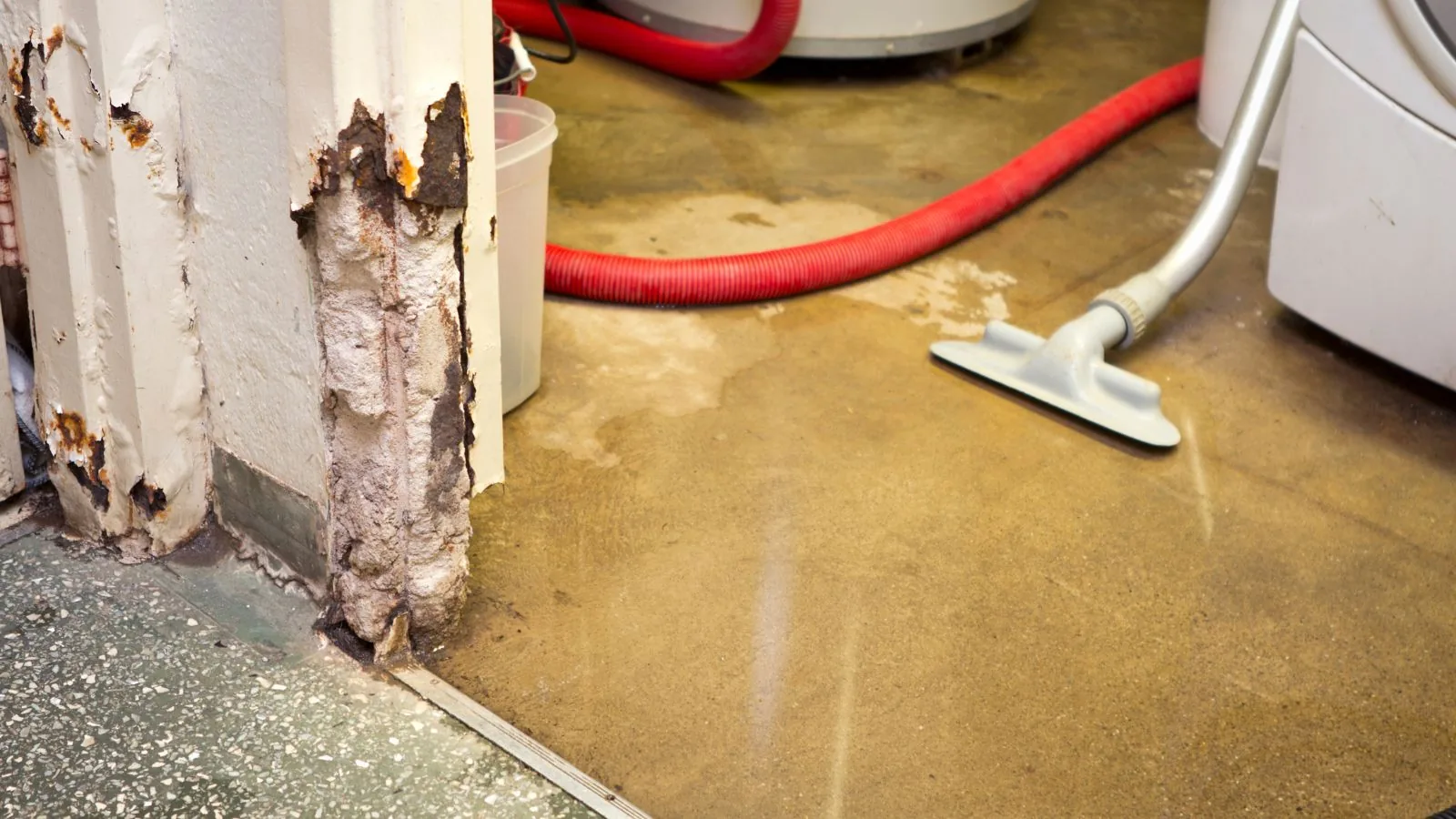
Why there is no single price for water damage
A wet bathroom floor and a flooded basement can both be called water damage, but they are very different jobs. Price follows the work required: the water removed, the materials taken out, the equipment days and the cleanup steps.
Anyone who quotes a flat number without seeing the loss is guessing. A written scope after an inspection or a detailed phone description is a better basis. We explain scope and price before work starts, and we do not publish fixed prices because every loss differs.
The main cost drivers
| Driver | How it changes cost | Example |
|---|---|---|
| Water category | Contaminated water adds protective gear, removal and disposal | Sewage costs more to clean than a clean pipe leak |
| Area affected | More square footage means more labor and equipment | A whole basement versus one corner |
| Materials | Hardwood, plaster and concrete dry slowly | Plaster walls need more days than drywall |
| Time since the loss | Older losses spread and may need removal | A leak found after a weekend |
| Access | Stairs, tight rooms and finished walls add labor | Upstairs rooms with limited access |
| Equipment days | Air movers and dehumidifiers are priced per day | Longer drying means more days |
What an estimate should list
- The areas affected and the water category assumed
- Water removal method and any disposal
- Materials to be removed, such as carpet, pad, baseboard or drywall
- Drying equipment and the expected number of days
- Cleaning and sanitizing steps
- What is not included, such as rebuilding, paint or plumbing
If an estimate does not say these things, ask for them. A clear estimate is easier to compare, and it lets your insurer see what the work covers. Keep it, along with photos and moisture logs.
How the age of Rahway housing affects scope
The ACS puts the median build year of Rahway housing at 1961, across roughly 12,811 units. Homes of that age often have plaster walls, older subfloors and finished basements added later. Those features can change the scope, because plaster dries more slowly than drywall and finished basements hold more material to remove. Ask any estimator to note which materials they assumed, so a surprise behind a wall does not become a dispute.
How insurance affects the number
If your insurer covers the loss, the amount it pays depends on its own review and your deductible. Many insurers use estimating software with regional price lists to check scopes. A restoration company's estimate may differ from the insurer's, and the two sides sometimes need to talk.
We provide moisture logs, photographs and a clear scope to make that conversation easier. We do not decide coverage. Read your policy, call your agent early and ask how they handle direct billing, deductibles and payment timing.
Where homeowners overspend, and where they underspend
Overspending often comes from replacing materials that could have been dried, such as solid wood cabinets or a hardwood floor caught early. Underspending often comes from skipping drying and painting over damp walls, which leads to mold and a second repair.
A good estimator tells you honestly what can be saved and what cannot. Ask why each removal is needed. The answer should refer to water category, material or readings, not just a general worry.
Getting a fair comparison
Ask for written scopes
Request the same details from each company so you compare like with like.
Check what is excluded
A low price may leave out cleaning, disposal or a second visit.
Ask about changes
Find out how added work is priced and approved.
Verify credentials
Ask about licensing where it applies and request proof of insurance. For rebuilding work, check New Jersey home improvement contractor registration.
A word on speed
Waiting to save money usually costs more. Water spreads, mold starts and drying time grows. If you suspect a loss, call quickly, even if you plan to compare quotes. A fast first response keeps the loss small. Our water extraction page explains the first step, and structural drying explains the longer one.
Homeowners in Garwood and Roselle Park ask about cost most often after burst pipes and ceiling leaks.
Sample scopes, described in words
A small clean-water leak in one room usually involves extraction, a few air movers, one dehumidifier and daily checks over a few days. A larger loss that crosses two floors adds more equipment, wall openings and perhaps removal of insulation.
A Category 3 basement flood adds protective work, removal and disposal of many materials, cleaning and a longer drying phase. The price grows because the work grows, not because of a markup on the same job. Ask for scopes to be described in words like these so you can follow them.
Questions that keep an estimate honest
- How many air movers and dehumidifiers do you expect, and for how many days?
- What will you remove, and what readings or category led to that choice?
- What happens if the walls reveal more water than expected?
- Who handles disposal, and is it included?
- When do you take readings, and will I see the log?
The answers should be short and specific. A vague answer such as "it depends" with no further detail is a sign to press harder or call someone else.
How to avoid surprise charges
Ask for a written authorization that matches the scope and the price method. Read it before signing. If the crew finds more water than expected, ask for a revised scope before work continues. Keep a copy of every document and every change.
Pay attention to payment terms. A reasonable agreement states when payment is due and what happens if an insurer pays directly. If a company asks for a very large deposit or refuses to put terms in writing, be careful and consider another provider.
If the numbers feel unclear, ask the estimator to walk through the scope room by room. A good estimator can explain why each line is there in a few sentences. If they cannot, ask for a written breakdown before you agree to anything.
Costs you may not expect
Disposal fees, parking or access issues for trucks and permits for certain repairs can add to the total. Electrical or plumbing work needed to complete the repair is usually separate. Ask about these items upfront.
Also remember the rebuilding phase. Drywall, paint, flooring and trim are separate from mitigation, and they may be done by a different contractor. Budget for both phases, not only the first.
Standard behind the scope of work
Scope and cost follow from water category, class and drying goals defined in the ANSI/IICRC S500 water damage standard. Ask any company which standard its scope uses. The New Jersey Division of Consumer Affairs is the place to check contractor registration.
Cost questions in Rahway
Because the scope depends on what is wet and how dirty the water is. A written estimate after a description or inspection is more reliable than a flat figure.
Some do and some pay the homeowner. Ask your agent. Either way, keep the invoice, the scope and the moisture logs.
Usually the extent of the wet area and whether the water was contaminated. Clean water in a small area is the least costly case.
Typically not. Rebuilding, such as drywall, paint and flooring, is separate from water removal and drying.
It can. Plaster walls and older subfloors dry more slowly than modern drywall, which can add equipment days.