
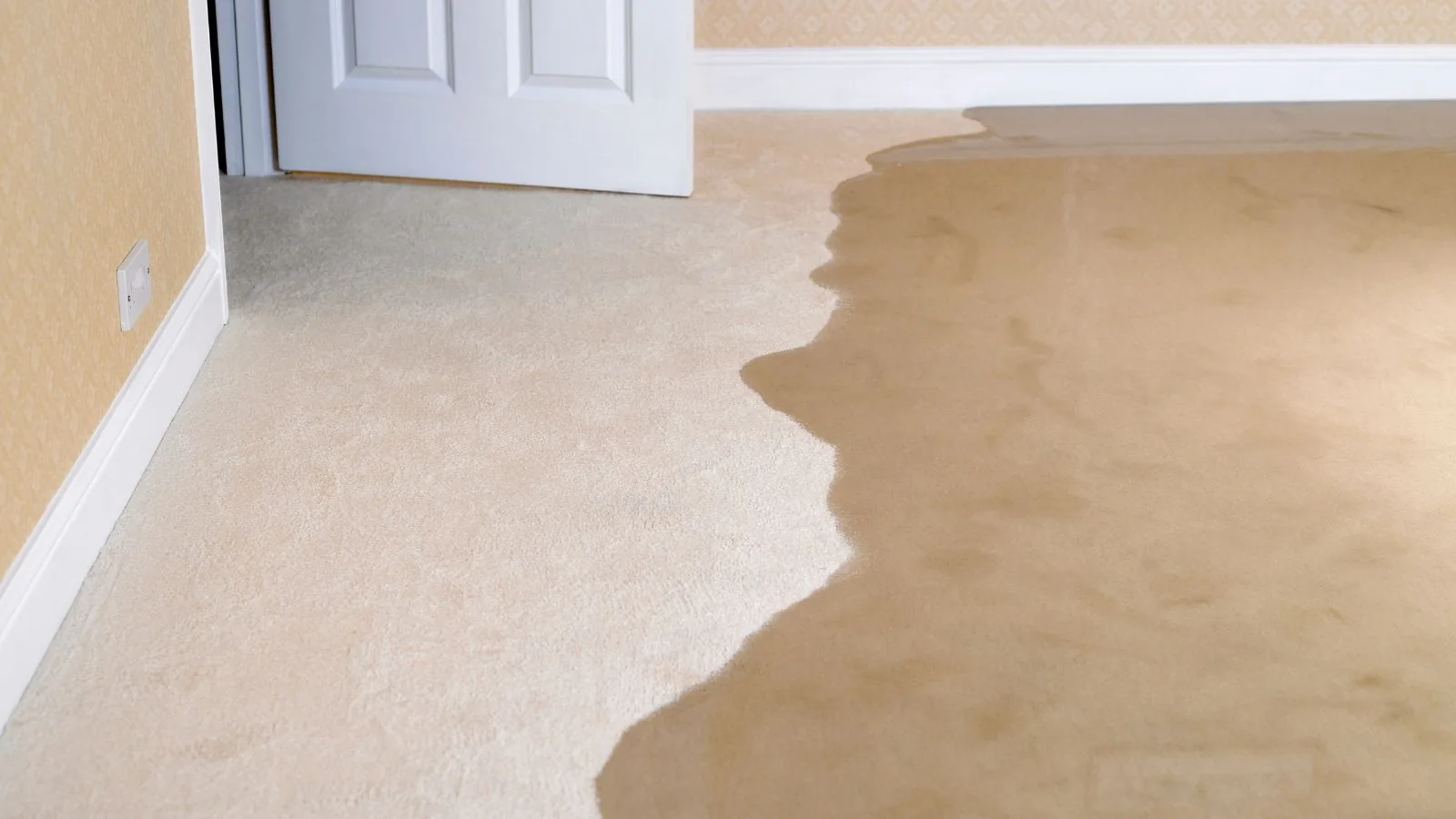
Start with the water source
The first question is where the water came from. Clean supply water from a pipe or appliance is Category 1. Water from a washer drain is Category 2. Sewage and flood water are Category 3. That category drives the decision more than the type of furniture.
A mattress that took Category 1 water and was lifted and dried within a day may be saved. The same mattress after sewage contact is a discard. If you are unsure of the source, assume the worse category and ask for help.
| Item | Clean water, caught fast | Contaminated or left wet |
|---|---|---|
| Foam or innerspring mattress | Maybe, if dried within a day | Discard |
| Upholstered sofa | Often, with extraction and drying | Discard cushions and fabric |
| Solid wood furniture | Usually, with drying | Clean and dry, or discard if porous |
| Particleboard furniture | Often swells and fails | Discard |
| Area rug | Dry flat, clean | Professional cleaning or discard |
Steps in the first hour
Stop the water and lift the item
Move furniture off wet carpet or floor. Put foil or plastic under the legs.
Blot and extract
Press towels into the fabric. A wet vacuum can pull water from cushions and mattress surfaces.
Add air
Run fans and a dehumidifier. Open windows only if outdoor air is drier than indoor air.
Photograph
Take photos of the item, labels and the wet area for any claim.
Decide quickly
If the item is not dry in a day or two, odor and mold risk rise.
Why foam and fabric are hard to dry
Mattress foam and sofa cushions act like sponges. Water goes deep and stays there, and fabric on top can look dry while the core is wet. Drying in the sun helps in summer, but indoor drying is slow and can leave a musty smell.
Sofa frames made of solid wood often dry well. Frames made of particleboard can swell and weaken. Springs can rust. A wet sofa also stains the floor beneath it, so check the carpet or hardwood where it sat.
Rahway basements and second-hand furniture
Rahway's older homes often have basements used as family rooms, with sofas and mattresses stored on carpet over concrete. After a basement leak, the first item to lift is anything resting on carpet, since the pad wicks water upward. If your home is in a mapped flood area, keep upholstered pieces off the lowest floor, and photograph your belongings in advance so you have a baseline for a claim.
Cleaning and deodorizing items you keep
After drying, vacuum upholstery with a HEPA filter and spot-clean with a mild detergent. Baking soda can absorb odor. Professional cleaners can treat fabric and carpet with equipment that extracts deeper than home units.
If a musty smell remains after a few days, the core is probably still wet. At that point, replacement is more cost-effective than repeated cleaning. Keep any item out of bedrooms until the smell is gone.
Documenting items for a claim
Photograph each item with labels and tags visible. Note age, brand and price if you remember. Keep receipts or credit card statements. If an adjuster wants to see an item, keep it in a dry place until they do, or ask whether photos are enough.
Do not throw out large pieces before you have documented them. Our water extraction crews often help remove soaked furniture and record where it sat. If the floor beneath is carpet, read carpet water damage restoration. Neighbors in Garwood and Clark face the same choices.
Fabric types, leather and memory foam
Leather can stain and shrink when wet and needs a specialist if it matters to you. Microfiber is easy to blot but can leave water rings. Memory foam holds water longer than other foam, so a soaked memory foam mattress is rarely worth the effort to dry.
Cushions with removable covers dry faster. Pull the covers, wash them if the label allows and dry the inserts separately. Check the cushion cores by pressing a paper towel into them. If the towel comes up damp, keep drying or replace them.
Preventing the next soaked sofa
Keep upholstered furniture a few inches from exterior walls and away from window sills that leak. Check washer hoses and water heater connections near furniture. Place a small plastic tray or plastic feet under legs on basement floors.
A water sensor near the washer or sump pit costs little and warns you early. If you rent, ask the landlord about shutoffs and keep a flashlight near the main.
If the water was contaminated
Sewage, flood water and water from outside carry contaminants. Soft items that touched them, including mattresses, cushions and stuffed pieces, should be discarded. Do not try to wash or sun-dry them. Bag them if you can and keep them away from children and pets.
Hard goods like glass, metal and sealed plastic can usually be cleaned and disinfected. Wood furniture with a sealed finish may be cleaned too. Porous wood and particleboard rarely recover. When in doubt, photograph the item first and ask a professional.
How to dry cushions and padding at home
Stand cushions on edge so air reaches both sides. Place them near a fan and a dehumidifier, away from direct heat that can warp foam. Turn them every few hours. Pressing a towel into the core tells you whether moisture remains.
Avoid hair dryers and heaters at close range. They can melt foam or trap moisture. If a sour odor appears, stop and replace the cushion rather than cleaning it repeatedly. A fresh cushion costs less than weeks of odor control.
Disposal rules differ by town, and bulky items may need a scheduled pickup. Check the city's guidance for mattresses and furniture before you drag a soaked sofa to the curb, and ask whether wrapping the item in plastic is required.
If you live in a rental, ask whether the landlord provided any furniture. Items owned by the landlord are theirs to handle, and your insurer covers only what you own.
A simple decision rule
If the water was clean and the item has been dry within a day, try to save it. If the water was gray or contaminated, or the item stayed wet for several days, replace it. If it is a mattress and anyone in the home has a sensitive reaction to damp or mold, lean toward replacement.
Whatever you choose, keep the paperwork. A written list with photos makes a claim easier, and it helps you replace items without guessing later.
Standard behind the save or discard call
Whether soft furnishings are cleaned or discarded depends on water category, which the ANSI/IICRC S500 water damage standard defines. Contaminated water is a discard decision, and the EPA advises drying wet items within 24 to 48 hours.
Wet furniture questions in Rahway
Sometimes. A mattress that took clean water and was dried quickly may be saved. Contaminated water or several days of dampness usually means replacement.
Cushions can take days, and cores may stay damp longer. Extraction and fans speed the process. If a musty smell remains, replace the cushions.
It depends on the cause and your policy. Sudden leaks are often covered for contents under homeowners or renters policies. Keep photos and a list.
Move it to a dry area or outdoors if weather allows. Wet furniture left indoors adds moisture and odor.
Lift it off the floor right away and photograph it. Basement carpet and cardboard wick water upward and ruin stored goods quickly.